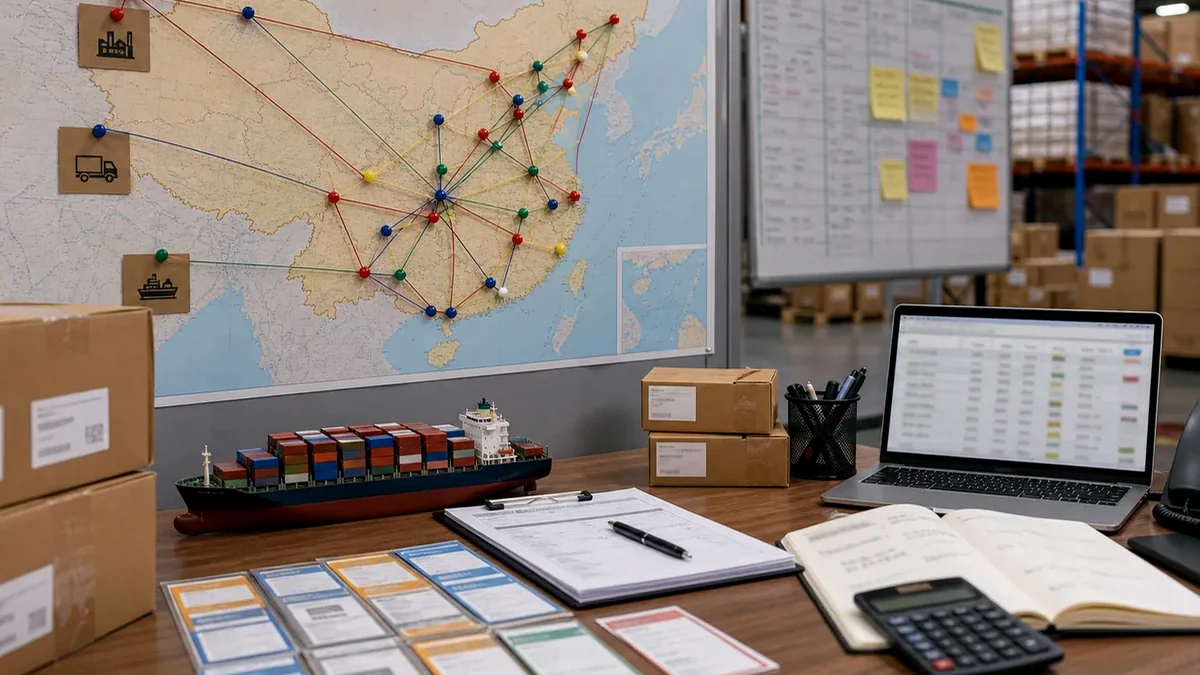
Buyers sometimes receive sea freight shipments with soft cartons, rusted hardware, damp labels, or a mold smell. The supplier may blame the vessel, the warehouse, the forwarder, or weather. Those factors can matter, but the best time to reduce risk is before export, when packaging and loading can still be checked.
Moisture risk is especially important for textiles, paper packaging, wooden items, electronics accessories, leather goods, and products packed in recycled cartons.
What inspection should check
- Carton strength and sealing method.
- Polybag, desiccant, and inner packaging.
- Product dryness and warehouse storage condition.
- Water stains, odor, rust, mildew, or label bleeding.
- Pallet wrap and container loading protection when relevant.
This connects with supplier claims packaging is waterproof. For a fuller inspection plan, DDPexpert’s quality control inspection in China guide covers practical pre-shipment evidence.
Ask for proof before final payment
Buyers should ask for fresh carton photos, product photos, storage photos, and a short packing video before balance payment. For higher-risk products, a third-party inspection should include packaging condition and moisture-sensitive checks, not only product quantity.
If the goods are already wet or smell bad, the buyer may need to document receiving conditions immediately. Waiting several days can make it easier for the supplier to blame storage after delivery.
How to write the requirement
Do not simply write “good packaging.” Specify export carton grade, inner protection, desiccant if needed, pallet requirements, storage condition, label protection, and inspection acceptance standard. Clear requirements make disputes easier because the buyer can point to an agreed standard.
For packaging planning, read carton and material checks before balance payment. DDPexpert’s custom packaging in China guide is useful when packaging quality affects customer experience.
Final recommendation
If a product is moisture-sensitive, inspect packaging before export. Once damp cartons arrive overseas, the dispute becomes harder, slower, and more expensive.

